
In South Florida, Across Miami-Dade and Broward Counties Alone, SFAA Marketplace Members Spend $10 Billion a Year In Procuring Goods and Services
Our Work
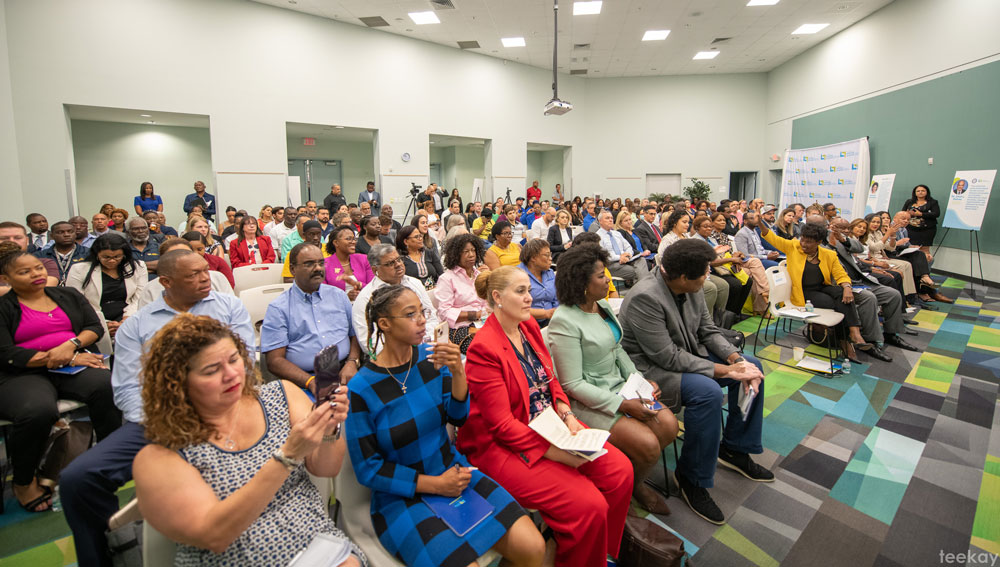
The South Florida Anchor Alliance (SFAA), an initiative of Health Foundation of South Florida, is a collaborative of 20 regional institutions, including hospitals and healthcare systems, education enterprises, and municipalities that joined forces in 2019 to create a thriving South Florida economy through collective procurement and workforce development initiatives. SFAA is a key pillar to advance the Health Foundation’s strategy to address and positively impact the social and economic challenges that affect community health and well-being.
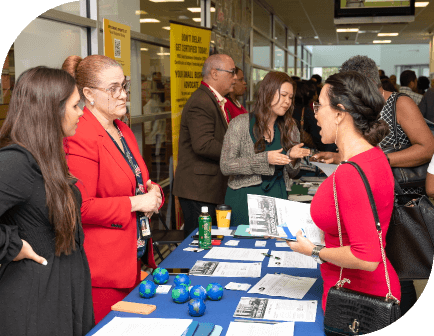

LOCAL Procurement

10+
Billion
GOODS & SERVICES
LOCAL PURCHASING
BUILDING CAPABILITIES, CREATING CONNECTIONS
- Creating a thriving local business community
- Reducing barriers for local vendors
- Creating more efficient & resilient supply chains
- Building capacity of vendors to compete for contracts
- Increasing contracting opportunities
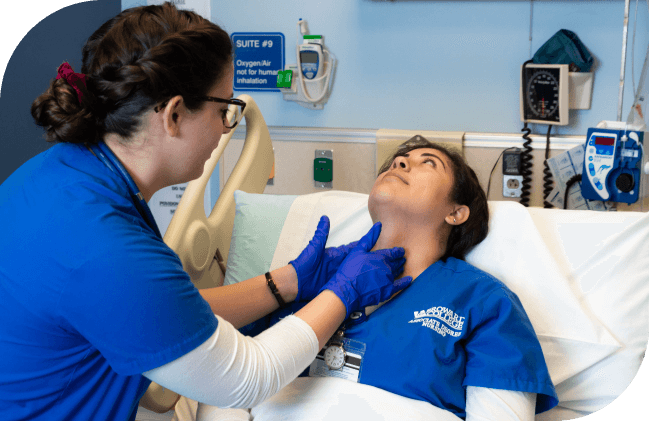
WORKFORCE DEVELOPMENT

192,500*
EMPLOYEES
*as of 2022
HIRING & WORKFORCE DEVELOPMENT
BUILDING CAPABILITIES, FILLING GAPS
- Building a local hiring pipeline
- Preparing residents for high-demand jobs
- Creating career pathways
- Linking residents to living wage jobs
READ OUR 2026-2031 BLUEPRINT FOR ACTION
2026-2031 SFAA Blueprint for ActionSOUTH FLORIDA ANCHOR ALLIANCE MEMBERS WILL COLLECTIVELY PRIORITIZE THE ESTABLISHMENT OF A THRIVING LOCAL ECONOMY BY:
- Strengthening the regional workforce by focusing on anchor hiring needs, using data forecasting to anticipate demand, and expanding access to clear and sustainable career pathways.
- Using anchor purchasing power strategically to strengthen the regional economy through predictable procurement, proactive forecasting, and expanded access for local and small businesses.
- Supporting workforce stability and retention through collaborative housing strategies that begin with shared research and move toward scalable, anchor-supported initiatives.
Equitable Procurement
Goal
2025–2030 Goal:Use anchor purchasing power strategically to strengthen the regional economy through predictable procurement, proactive forecasting, and expanded access for local and small businesses.
Objectives & Strategies
Objective 1: Align procurement policies and forecasting
Share high-spend categories will be identified to support coordinated outreach to local and small businesses. Standardized definitions and aligned vendor registration requirements will provide greater clarity and consistency across institutions.
Objective 2: Expand Local and Small Business access to Anchor Procurement Opportunities
The SFAA Regional Marketplace will serve as a central hub for accessing bids and upcoming opportunities, making it easier for local and small businesses to navigate anchor procurement. Anchors will work together to cross promote annual supplier events that build readiness and increase understanding of procurement requirements at anchor institutions.
Objective 3: Build supplier capacity
Skills-based training, technical assistance, and readiness assessments will be used to strengthen the capacity of local and small businesses to meet forecasted anchor demand. Partnerships with CDFIs and local lenders will improve access to financing and bonding, while other programs will be developed to expand
mentorship and subcontracting opportunities between established and emerging small businesses that help grow a stronger, more competitive local supplier base.
Objective 4: Ensure transparency and accountability
Consistent data collection and reporting on local spend, vendor characteristics, and procurement outcomes will strengthen transparency across institutions. A shared dashboard, updated twice each year, will provide clear visibility into regional progress, while an annual procurement impact report will document results and lessons learned. Ongoing peer learning sessions will support continuous improvement and reinforce alignment in procurement practices.
Local Procurement Metrics
• % of total procurement spend awarded to local businesses
• % of total procurement spend awarded to small businesses’
• Number of new local or small businesses contracting with anchor institutions
• Number of businesses completing vendor readiness assessments or
training programs
• % of participating businesses that submit bids or secure a contract/
subcontract
• Number of anchor institutions adopting aligned procurement
definitions, templates, and forecasting tools
• Annual publication of a regional procurement impact report
WORKFORCE DEVELOPMENT
Goal
Strengthen the regional workforce by focusing on anchor hiring needs, using data forecasting to anticipate demand, and expanding access to clear and sustainable career pathways.
Objectives & Strategies
Objective 1: Align & forecast anchor hiring needs
Workforce needs will be assessed through joint analysis of labor trends, shared vacancy and turnover data, and regular forecasting meetings to align projected hiring demands. Operating as a coordinated regional network allows for strategic
engagement with local talent and strengthens collective
workforce pipelines.
Objective 2: Expand pathways into anchor careers
Shared internship, apprenticeship, and job-exposure programs will be leveraged to reflect forecasted hiring needs and strengthen entry points into anchor careers. Collaboration with K–12, technical schools, colleges and CBO’s will ensure that
curricula align with required skills.
Objective 3: Advance and retain talent
Career ladders and transparent promotion frameworks will be developed and or clarified to support employee attraction, retention, and growth. Leadership and supervisory training will strengthen advancement of readiness, while soft-skill, problem-solving, and communication development will be embedded into training and onboarding to reinforce long-term career progression for the regional workforce.
Objective 4: Drive workforce accountability & transparency
A regional dashboard will be developed to track workforce trends and forecasted needs over time, while an annual workforce impact report will document measurable results and insights that guide continued improvement at anchor institutions.
WORKFORCE METRICS
• Number of hires into anchorinstitutions attributable to coordinated SFAA workforce strategies
• Number of participants in shared internships, apprenticeships, or experiential learning programs
• % of participants in shared workforce programs who secure employment at an anchor institution
• % of employees advancing along documented career pathways within anchor institutions
• Number of institutions contributing to and reporting through the shared workforce data framework
• Annual publication of a workforce impact report
Local Procurement
2025–2030 Goal:Use anchor purchasing power strategically to strengthen the regional economy through predictable procurement, proactive forecasting, and expanded access for local and small businesses.
OBJECTIVES & STRATEGIES
Objective 1: Align procurement policies and forecasting
Share high-spend categories will be identified to support coordinated outreach to local and small businesses. Standardized definitions and aligned vendor registration requirements will provide greater clarity and consistency across institutions.
Objective 2: Expand Local and Small Business access to Anchor Procurement Opportunities
The SFAA Regional Marketplace will serve as a central hub for accessing bids and upcoming opportunities, making it easier for local and small businesses to navigate anchor procurement. Anchors will work together to cross promote annual supplier events that build readiness and increase understanding of procurement requirements at anchor institutions.
Objective 3: Build supplier capacity
Skills-based training, technical assistance, and readiness assessments will be used to strengthen the capacity of local and small businesses to meet forecasted anchor demand. Partnerships with CDFIs and local lenders will improve access to financing and bonding, while other programs will be developed to expand
mentorship and subcontracting opportunities between established and emerging small businesses that help grow a stronger, more competitive local supplier base.
Objective 4: Ensure transparency and accountability
Consistent data collection and reporting on local spend, vendor characteristics, and procurement outcomes will strengthen transparency across institutions. A shared dashboard, updated twice each year, will provide clear visibility into regional progress, while an annual procurement impact report will document results and lessons learned. Ongoing peer learning sessions will support continuous improvement and reinforce alignment in procurement practices.
Local Procurement Metrics
% of total procurement spend awarded to local businesses
• % of total procurement spend awarded to small businesses’
• Number of new local or small businesses contracting with anchor institutions
• Number of businesses completing vendor readiness assessments or
training programs
• % of participating businesses that submit bids or secure a contract/
subcontract
• Number of anchor institutions adopting aligned procurement
definitions, templates, and forecasting tools
• Annual publication of a regional procurement impact report
Workforce Housing
Goal
Support workforce stability and retention through collaborative housing strategies that begin with shared research and move toward scalable, anchor-supported initiatives.
Objectives & Strategies
Objective 1: Understand workforce housing needs
Coordinated assessments will define the housing needs and affordability gaps experienced by the anchor workforce. Reviewing effective models from other regions and documenting early local efforts will help identify promising
approaches, strengthen shared understanding, and encourage collaboration around solutions that support employees’ housing stability.
Objective 2: Collaborate on feasible solutions
Partnerships with housing agencies, local governments, and developers will be used to explore joint approaches to workforce housing across anchor institutions. Anchor-owned or underused sites will be evaluated for their potential to support housing solutions, while pooled financing and investment models with CDFIs and mission-driven lenders will be explored to expand feasibility and impact.
Objective 3: Pilot and evaluate
Targeted housing pilots will be identified to directly address workforce needs, such as employee retention and attraction, improving affordability, and supporting community well-being. Findings will be shared to determine which approaches are viable for broader implementation and long-term investment.
Workforce Housing Metrics
- Completion of an anchor workforce housing needs assessment
- Number of anchor institutions participating in joint housing research, assessment and planning
- Number of anchor-supported housing pilots launched
- Number of institutions sharing data through the standardized housing learning framework
Broward COUNTY
SUPPLIER DIVERSITY
Policy & Procedures
Implement policy and procedures based upon best practices to increase local vendor engagement with participating anchors.
Implement policy and procedures based upon best practices to increase small business engagement with participating anchors.
Implement policy and procedures based upon best practices to increase women and/or minority-owned business engagement with participating anchors.
ACTIVITIES/STRATEGIES
Review national best practices/recommendations related to increasing local, small business, women and/or minority-owned business engagement.
Share, review and compare participating anchors’ policies and procedures to learn of different approaches and best practices.
To expand participation and engagement of additional anchors, integrate municipal engagement through the Prosperity Broward and Broward Up formal agreements as appropriate.
Develop an informational tool for vendors to better understand each anchor agency’s policies and processes.
Define and adopt agreed upon local standardized definitions and principles based upon SFAA anchor members’ policy and procedures best practices’ review.
Based upon best practice review, identify key administrative actions to collectively review and prioritize procedural recommendations for implementation.
Utilize Group Purchasing Organization (GPO) principles to frame new approach for procedures focused on the engagement of local, small and/or minority-owned business.
Certification & Registration
Implement vendor registration and certification processes that will eliminate barriers and increase the pool of certified firms (small and/ or minority-owned) for participating anchors.
ACTIVITIES/STRATEGIES
Review and assess national best practice recommendations related to vendor registration and certification processes. Share, review and compare participating anchors’ vendor registration and certification process to learn of different local approaches and best practices.
Develop an informational tool for vendors to better understand each anchor agency’s vendor registration and certification processes.
Develop an educational campaign across participating anchor institutions to explain the value of getting certified.
Research and assess current and/or new products and systems that would streamline online vendor registration and certification process among participating anchors.
Develop workplan to proceed with streamlining registration and certification process for participating anchors. Establish a SFAA standing working group of procurement and supplier diversity leaders that meet regularly to reflect and improve upon collaborative recommendations.
Outreach, Engagement & Matchmaking
Increase identification and participation of local, small and/or minority-owned businesses through collaborative targeted outreach and engagement activities.
Increase awareness and engagement of local, small and/or minority-owned businesses through collaborative targeted informational and educational activities.
Increase local, small and minority-owned business contracting opportunities with participating anchor organizations by implementing strategies that share potential bids/ procurement opportunities across anchors.
ACTIVITIES/STRATEGIES
Assess current outreach and engagement calendars of all participating anchor organizations. Create a centralized communication strategy to consistently share information with local, small and minority-owned vendors (i.e. website, newsletter, coordinated information sharing)
Establish priorities for outreach and engagement activities by anchor organization (i.e. geographical-focused, industry-focused, supplier diversity-focused, currently non-registered or non-certified firms). Determine collaboration and coordination opportunities among participating anchors based upon identified priorities with the intent to maximize economies of scale (i.e. institutional savings and expansion of overall efforts). These efforts should be done in partnerships with non-profits, cities, chambers, economic development organizations. Integrate these collaborative events/activities in the centralized branding and communication strategy.
Review and assess national best practice recommendations related to sharing business opportunities with local, small and/or minority vendors.
Share, review and compare participating anchors’ current practices related to sharing business opportunities with local, small and/or minority vendors
Determine recommendations to streamline processes related to advertising of business opportunities among participating anchors (i.e. utilization of unified online portal to share opportunities with registered and/or certified vendors).
Establish a local, small and/or minority-owned business networking program inclusive of networking among local, small and/or minority-owned businesses. The networking program would focus on building opportunities in a variety of industries including construction, goods and professional services.
Develop internal professional development opportunities for anchor staff and board leadership to ensure a long term sustainability of the SFAA’s priorities.
Capacity Building, Technical Assistance/Training, Financial Capacity Support
Increase awards to local, small and/or minority-owned business that participate in capacity building, technical assistance/training and/or financial capacity support programs.
ACTIVITIES/STRATEGIES
Internal Capacity Building
Review and assess national best practice recommendations related to staff professional development to increase supplier diversity goals.
Develop an internal campaign prioritizing supplier diversity.
Share, review and compare participating anchors’ professional development activities related to supplier diversity principles and goals inclusive of engagement, bidding process, and post-bid follow-up.
Define professional development priorities and content to implement with participating anchor procurement staff with a focus on internal staff strengthening appropriate vendor follow up and evaluation of vendors.
External Capacity Building
Develop a unified assessment tool for all participating anchor organizations. The assessment tool will determine the information and needs of local, small and minority-owned businesses.
Through the use of the co-developed assessment tool, identify needs of small and minority-owned businesses. Based upon results:
Develop a course/program on how to do business with participating anchor organizations and/or build/expand upon current training programs made available through participating anchors and/or non-profit partners.
In partnership with local non-profits, develop a course/ program to develop knowledge and skills linked to business operations.
Engage with a working group of participating anchors leaders and/or external consultant to coach small and minority-owned business on how to do business with participating anchors.
Through the assessment tool, identify local, small and minority owned businesses financial needs/challenges. The information gathered, should be utilized to build a menu of financial support offerings to address business’s bonding capacity, expand financing opportunities and financial support grant programs. Establish a mentor protégé program for small and minority-owned businesses for a variety of industries including construction, goods and professional services.
Use of and Sharing of Data
Streamline coordination of data processes and reporting to increase track progress.
ACTIVITIES/STRATEGIES
Assess how data is collected across participating anchor organizations and determine which organizations share similar data collection protocols.
Establish an ongoing SFAA Think Tank to meet regularly to review and develop dashboard metrics for the SFAA. The group will also discuss best practices and challenges.
Build a bidding portal and a contracts repository for participating anchors with non-proprietary information to build on Cooperative Purchasing Initiatives established within government guidelines to include bids, contracts, procurement programs, and other resources (policies/procedures/ commodity codes). This can be framed around local, small and minority-owned vendor contracting opportunities.
Establish a working group to establish data baselines and measurable benchmark outcomes for individual anchors and the SFAA as a whole ensuring that returns on investments are quantifiable. The SFAA will develop an annual progress report.
WORKFORCE DEVELOPMENT
Anchor Workforce Needs
Create workforce development strategy based upon anchor workforce pipeline needs to increase employment opportunities in identified zip codes.
ACTIVITIES/STRATEGIES
Administer a SFAA developed survey tool to identify the general workforce needs and gaps in existing workforce pipelines of participating anchor organizations.
Complementing Broward Up and Prosperity Broward’s priorities and strategies, identify key zip codes to implement SFAA workforce development strategies. Establish baseline employment/workforce data from identified zip codes.
Integrate municipal engagement through the Prosperity Broward and Broward Up formal agreements as appropriate.
Identify top five professional and technical needs from participating anchors; and educational and nonprofit partners that can build and/or expand pipeline program development.
Develop and implement business plan to address SFAA workforce pipeline prioritized pathways (based upon short and long-term goals).
Ensure that SFAA business plan complements and is integrated within current workforce development strategies being led by partnering organizations.
Collaborate with SFAA Supplier Diversity working group to support capacity building strategy to develop workforce pipeline for small businesses to train and support new/current employees related to construction fields.
Develop summer internship strategy for youth and larger employers with a focus on participating anchors.
Recruitment
Implement recruitment strategies to increase anchor hiring of special populations in targeted zip codes.
Implement support strategies to scaffold special populations for opportunities of gainful employment.
Implement recruitment strategies with higher education institutions including Historical Black Universities.
ACTIVITIES/STRATEGIES
Develop a SFAA marketing and awareness plan to provide exposure to knowledge of anchor employment opportunities in identified zip codes with a focus on varied strategies for different targeted audiences – youth and adult engagement (and reengagement). Strategies should be tailored for the needs of each special population. Campaign should also create an awareness of changes to workforce needs and refinement of opportunities. Efforts should also build upon and leverage resources including BCPS’s BRACE advisors.
Identify the minimum requirements and certification for anchor pipeline needs. Work with Broward County Public Schools and other education and nonprofit partners provide career laddering/pathways.
Develop a more intensive model for special populations inclusive of case management/coaching. Develop a GED completion support strategy with anchor partners to best prepare those that are recruited. Support strategy would focus on special populations including:
Reentry populations – Find a way back
Exceptional Needs including youth aging out of public school programs.
Immigrants (inclusive of multiple languages)
Out-of-School Youth
In collaboration with educational institutions including historically black universities, provide a pool of resources/ funding for Out-of-School youth with exceptional needs for anchor-based GED/employer model that links to industry certification, job training and employment.
Training, Education & Hiring Programs
Develop and implement training/education programs for anchor workforce pipelines to increase hiring in identified zip codes in collaboration with school district, local colleges and universities including historically black universities.
ACTIVITIES/STRATEGIES
Inventory existing education, training and hiring programs for anchor workforce pipeline opportunities in collaboration with the school district, local colleges and universities and historically black universities. This work will be in collaboration and in alignment with Prosperity Broward and Broward Up including current technical repositories of information.
Each anchor will generate an initial business plan with appropriate education partners to implement their needs for workforce pipeline needs. Collectively, participating anchors will build multiple pathways to support attainment of employment requisites (i.e. dual enrollment, dual certification, internships, scholarships, pre-apprenticeship and apprenticeship, use of career counselors). Business plans will integrate:
Professional development of anchor HR development teams regarding economic cliff of identified zip codes and special populations. Professional development will focus on challenging the workforce culture to support solution focused pathways.
Consider community assets for site-based training to offset costs.
Strategies and partnerships that can be integrated within Broward County Public Schools’ alternative high schools.
Once business plans are completed, anchors will streamline efforts to collaboratively present to target populations through a SFAA marketing and outreach strategy. Presentations from workforce, education and training institutions will be packaged inclusive of requirements, salaries, opportunities, etc. that partnering organizations can use for recruitment and engagement.
Local Business Needs
Streamline coordination of data processes and reporting of progress.
ACTIVITIES/STRATEGIES
Develop a shared data portal to capture participation and placements related to SFAA collaboration in alignment with Miami-Dade cohort’s portal to complement and track recruitment, education and hiring of participants.